- Free Consultation: (888) 883-6588 Tap Here To Call Us




Wage Theft In California: How To Recover Unpaid Overtime, Commissions, Or Bonuses


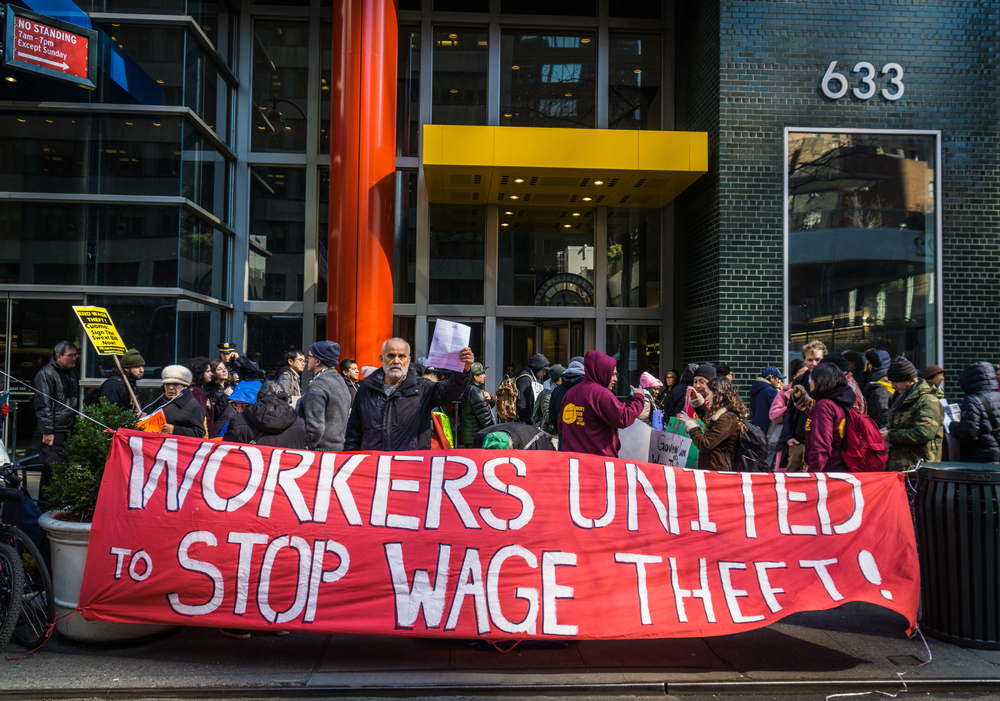
Wage theft remains among the most common violations in California workplaces. Many employees work long hours, earn commissions, or depend on promised bonuses. They often discover the promised compensation never arrives or is shorted. Financial strain, uncertainty about legal rights, and fear of employer retaliation often make things worse. California employment law provides strong protections against unpaid wages and imposes strict employer obligations. A clear understanding of these protections allows affected workers to pursue lawful recovery of unpaid earnings, penalties, interest, and attorneys’ fees when warranted.
Understanding Wage Theft In California
Wage theft occurs when an employer fails to pay wages owed for work performed. This conduct can include nonpayment of overtime, withholding commissions, failing to pay earned bonuses, misclassifying an employee as exempt or as an independent contractor, or forcing off-the-clock work. California Labor Code §203 requires employers to accurately track time and compensate employees. When violations occur, the employee has remedies through administrative action or civil litigation.
California Overtime Rights Under Labor Code Section 510
California Labor Code Section §510 requires overtime pay at one and one-half times the regular rate for hours over eight in a workday or forty in a workweek. Double time is required for hours over twelve in a day. Misclassification as “exempt” often leads to unpaid overtime disputes. True exemption depends on duties and salary, not job titles. If an employer controls an employee who does mainly nonexempt work without decision-making authority, overtime likely applies. Failure to pay mandated overtime is wage theft subject to recovery.
California Labor Code Section §1194 authorizes an employee to bring a civil action to recover unpaid minimum wages or overtime compensation, plus interest, reasonable attorneys’ fees, and costs.
Off-The-Clock Work And Meal Or Rest Break Violations
Employees sometimes perform tasks before clock-in, after clock-out, or during unpaid meal periods. California law considers that compensable time. California Labor Code Section §226.7 requires premium payments when legally mandated meal or rest periods are not provided. Employers cannot pressure an employee to work through breaks without compensation. Demanding off-the-clock work without pay represents wage theft under state law.
Unpaid Commissions And Labor Code Section §2751
Commission-based compensation structures are common in sales, real estate, and finance. California Labor Code Section §2751 requires written commission agreements that explain how and when commissions are earned and paid. When an employee completes all conditions necessary to earn a commission, the employer must pay. Withholding earned commissions, reducing owed amounts without a lawful reason, or conditioning payment on continued employment after commissions are earned can violate state wage laws.
Bonuses And Earned Wage Principles
Bonuses fall into two categories: discretionary and nondiscretionary. A discretionary bonus is paid purely at the employer’s choice. A nondiscretionary bonus is promised based on measurable performance metrics or employment milestones. California law treats nondiscretionary bonuses as earned wages once conditions are satisfied. Withholding a nondiscretionary bonus or failing to include it in the regular rate calculation for overtime may violate Labor Code provisions.
California Labor Code Section §221 prohibits employers from taking back wages once earned, preventing “clawbacks” of bonuses already earned in accordance with stated criteria.
Waiting Time Penalties Under Labor Code Section 203
When an employer willfully fails to pay all wages due upon separation from employment, California Labor Code Section §203 authorizes the imposition of waiting-time penalties. The penalty equals the employee’s daily wage for each day payment is late, up to thirty days. These penalties are designed to deter employers from delaying final payment of unpaid overtime, commissions, or bonuses.
Accurate Wage Statements Under Labor Code Section 226
California requires accurate wage statements under Labor Code Section §226. Employees must get pay records showing hours worked, pay rates, gross wages, deductions, and overtime. Inaccurate statements that hide unpaid wages result in penalties and serve as evidence in wage theft lawsuits.
Civil Penalties And PAGA Claims
The Private Attorneys General Act (PAGA) codified at Labor Code Sections §2698–§2699.5 allows an aggrieved employee to bring a representative action for civil penalties on behalf of the state and other affected employees for Labor Code violations. PAGA claims have become a powerful tool for addressing systemic wage theft involving large workforces.
Steps To Recover Unpaid Wages
A worker pursuing unpaid wages usually follows several steps:
- Gather and keep all relevant documentation of hours worked, pay stubs, schedules, emails, and commission or bonus plans to support your claim.
- Obtain copies of written employment agreements or commission contracts.
- Initiate a complaint by filing an administrative wage claim with the California Labor Commissioner (DLSE) or by pursuing civil court action when necessary.
- Pursue available remedies such as statutory penalties, liquidated damages, and attorneys’ fees permitted under Labor Code Section 1194.
Legal counsel reviews records, interviews staff, and analyzes policies to evaluate misclassification, off-the-clock work, and bonus errors, and ultimately determines the total recoverable compensation.
Retaliation Protections
California Labor Code Section §98.6 prohibits retaliation against employees who assert rights under wage laws or file claims. Termination, demotion, or adverse treatment after asserting wage rights may support an additional retaliation claim. Strong anti-retaliation provisions encourage the enforcement of wage protections without fear.
Importance Of Timely Claims
California imposes statutes of limitation for wage claims. Generally, unpaid wage actions must be filed within three years, while written contract claims may extend to four years in some situations. Prompt action protects evidence and preserves maximum recovery. Failure to act within statutory deadlines may bar claims.
California Wage Theft Frequently Asked Questions
What Constitutes Wage Theft In California?
Wage theft occurs when an employer fails to pay earned compensation, such as overtime, commissions, bonuses, or minimum wages. Conduct may include misclassifying an employee as exempt, forcing off-the-clock work, issuing inaccurate wage statements, or failing to pay upon separation of employment.
How Is Overtime Calculated Under California Law?
Overtime is generally owed at one and one-half times the regular rate after eight hours in a day or forty hours in a week, and at double time after twelve hours in a day, under Labor Code Section 510. The regular rate often includes nondiscretionary bonuses or commissions when determining proper overtime amounts.
Are Commissions Protected Under California Labor Code?
Yes. Labor Code Section 2751 requires written commission agreements. Once an employee satisfies all the conditions necessary to earn a commission, payment must be made in accordance with the agreement and wage laws. Failure to pay earned commissions may expose the employer to liability for unpaid wages and penalties.
Are Bonuses Always Discretionary?
No. Discretionary bonuses are optional rewards chosen by employers, while nondiscretionary bonuses are tied to performance targets or promised incentives. Nondiscretionary bonuses are treated as earned wages once the conditions are satisfied and must be paid in accordance with California wage law.
Can An Employer Require Off-The-Clock Work Without Pay?
No. Off-the-clock work violates California wage law when not compensated. Tasks performed before or after shifts, or during unpaid breaks, must be paid when under the employer’s control.
What Remedies Are Available For Unpaid Wages?
Remedies may include unpaid wages, interest, statutory penalties, waiting time penalties under Labor Code Section 203, attorneys’ fees, and civil penalties through PAGA actions. Available relief depends on claim type and evidence.
What Is A Waiting Time Penalty?
When an employer willfully fails to pay all wages due at termination or resignation, Labor Code Section 203 authorizes waiting time penalties equal to the employee’s daily wage for each day payment remains unpaid, up to thirty days.
Is Retaliation For Filing A Wage Claim Illegal?
Yes. Labor Code Section 98.6 prohibits retaliation for making wage complaints or participating in wage theft investigations. Retaliation claims may entitle employees to reinstatement, back pay, and additional penalties.
What Evidence Helps Prove Wage Theft?
Helpful evidence may include pay stubs, emails about pay, timekeeping records, commission plans, and testimony about work performed. Even handwritten notes of hours worked can support a claim when employer records are incomplete.
Can Independent Contractors Recover Unpaid Wages?
Misclassified workers who meet the legal definition of employees under the “ABC test” may reclassify as employees and pursue wage claims. Misclassification analysis often focuses on control and whether work is part of the principal business.
Call To Pursue Unpaid Wage Claims And Protect California Wage Rights
Unpaid overtime, commissions, or bonuses can cause significant financial harm. California law provides powerful remedies, but action must occur within legal deadlines and with strong evidentiary support.
For evaluation of unpaid wage claims or guidance on recovering compensation under California law, contact the Orange County employment law attorney at Law Office of Joseph Richards, P.C. by calling (888) 883-6588 to receive your free consultation. Law Office of Joseph Richards, P.C., represents employees across the entire state of California in wage theft and unpaid compensation matters.
Our Offices

STE 202
Anaheim, CA 92807

STE 120
Corona, CA 92881

Los Angeles, CA 90045

Sacramento, CA 95825